Feel the surge without throwing the game away.
When one loss takes them out of the game
Why can’t my child cope with losing?
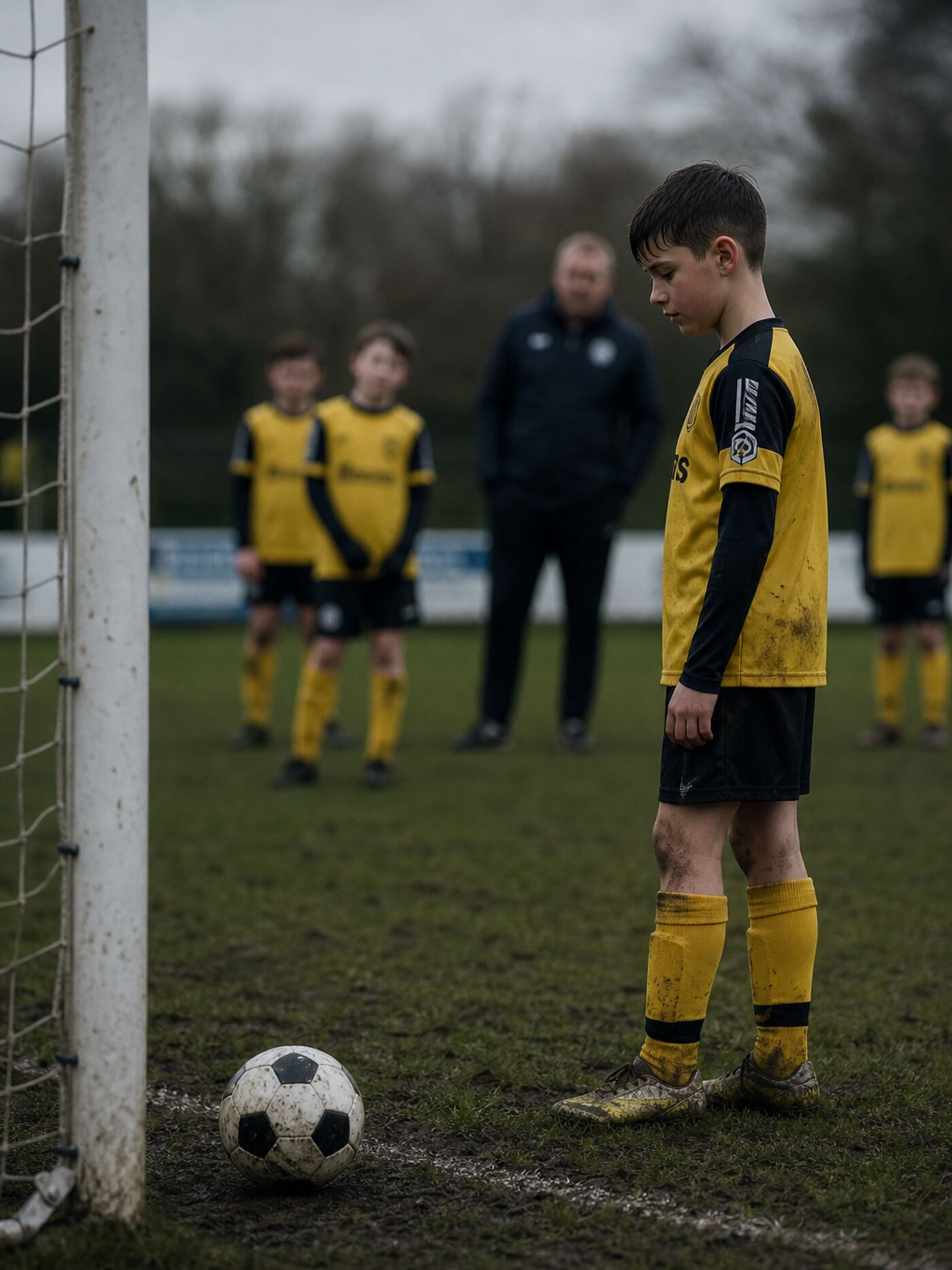
The game was going well. Then one point, missed shot, or bad call changes everything. Your child quits, cries, or says they will never play again.
Recognition
You already tried making losing easier
Saying it is only a game.
Explaining that everyone loses sometimes.
Changing the rules or letting them win more often.
Asking them to calm down while the feeling is still rising.
Why it changes
The goal is not to make sure they never lose
A loss can feel like proof that the child is bad at the thing, especially when other people are watching. The practical skill is separating the result from the next action, so one mistake does not decide whether they stay in the game.
The response
The next 10 seconds
Take one breath and name the result without making it a verdict.
Choose the next fair action: watch, try, pass, or play on.
Before pressure
Practise recovery before the score matters
SharpSeed Frustration gives your child a repeatable way back after a miss, loss, or correction. The aim is not a child who never gets upset. It is a child who knows how to return.
Kids Frustration
A 7-day training protocol for recovering after the mistake instead of leaving the moment.
Questions
Before you start
Should I let my child win to build confidence?
The page is not about engineering perfect results. It is about practising what to do after an imperfect result, with enough support to keep the practice safe.
Does this only apply to sport?
No. The same recovery can matter after a board-game loss, a wrong answer, a correction, or a friend saying no.